


Advice for new parents
Me and my child
Baby Steps | 2 years+
Baby Steps | 2 years+

What to know about this developmental stage:
- Speech continues to improve and becomes understandable to most adults.
- Children’s vocabulary expands to 200 words or more, and their first sentences begin to emerge.
- Their most frequent question is “Why?”, reflecting their growing curiosity.
- They can run and stop (most of the time). They have mastered climbing stairs by alternating feet, either while holding an adult’s hand or using a handrail.
- They can kick a ball and jump.
- They enjoy drawing.
- They are able to ride a tricycle.
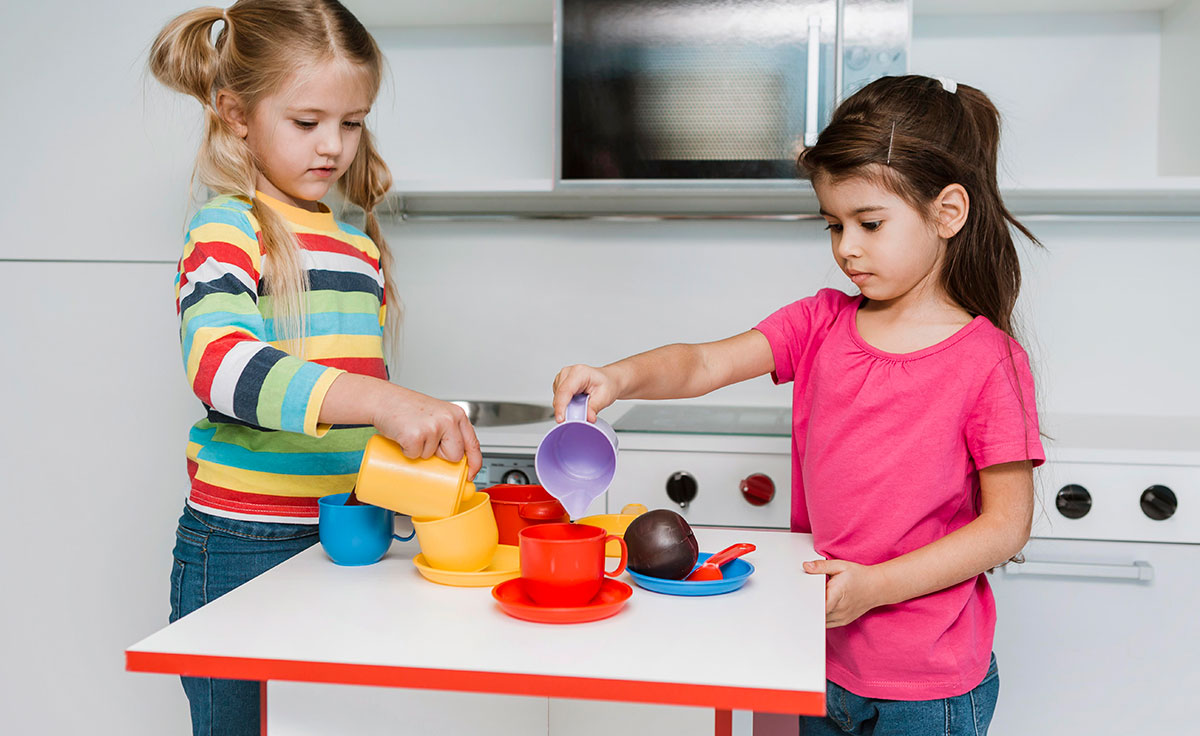
- They enjoy cooperative play, playing alongside other children and imitating their actions.
- They use their dominant hand (right- or left-handed) for activities.
- They can build taller and more stable towers with blocks.
- Imaginative play begins to develop, and children use all available materials with creativity and imagination.
- Dressing becomes easier; at this age, it is common for children to choose what they want to wear.
- They enjoy stories and events and show preferences for specific stories—usually those that include themselves. At this stage, their ability to concentrate increases.
- They gradually develop classification skills, such as sorting red objects, soft toys, etc.
- They begin to recognize gender differences and develop a strong sense of right and wrong.
- They are now able to separate from familiar caregivers for certain periods, knowing that they will return.
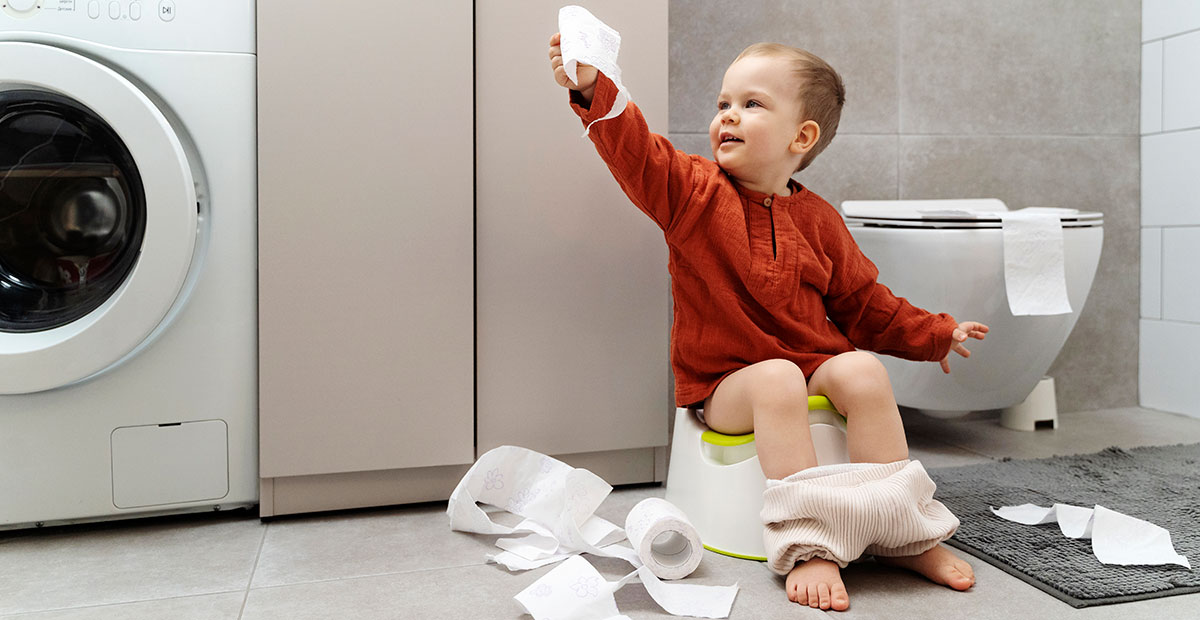
- Toilet training begins to follow a routine at this stage. This does not necessarily mean the child can use the toilet independently. Sphincter control varies from child to child and requires time and patience.
What is needed at this stage:
Clothing: Comfortable clothing that is easy to put on and take off, supporting the child’s independence during toilet use for example, elastic-waist pants and garments with few buttons.
Equipment:
A potty, step stool, and toilet seat reducer, if these have not already been purchased.
Toys: Ideal toys for this stage are those that encourage children to observe and imitate their surroundings, such as pretend-play toys (e.g., garages and cars, toy phones, play kitchens). Other suitable toys include footballs, books, crayons, paintbrushes, and toys that promote coordination and physical development (e.g., rocking horses, bicycles).
3-5 years+ ? Learn more!