Advice for new parents
Me and my child
Baby Steps | 3-5 years
Baby Steps | 3-5 years

What to know about this developmental stage:
- Day by day, children become better at asking questions and expressing their wants and needs. Emotional outbursts become less frequent, especially as language skills develop.
- As they approach the age of 5, children become increasingly curious about learning.
- They are generally toilet trained during the day and can use a standard toilet with the help of a step stool. However, accidents may still occur, particularly during playtime or sleep.
- At this stage, children typically need around 10 to 12 hours of sleep per day.
- They can count up to 20, understand different shapes, and recognize colors.
- They are able to wash and dry their hands independently.
- They can put on their shoes by themselves, and some children can tie their shoelaces. However, Velcro shoes remain very practical for both parents and teachers.
- They begin learning to write their name and to hold a pencil correctly.
- By around 5 years of age, they start learning to read. Word and syllable games can be very helpful in this process.
- They are able to control and throw or kick a ball.
- With some assistance, they can use cutlery effectively.
- Many children begin extracurricular activities such as swimming, dance, and similar programs.
What is needed at this stage:
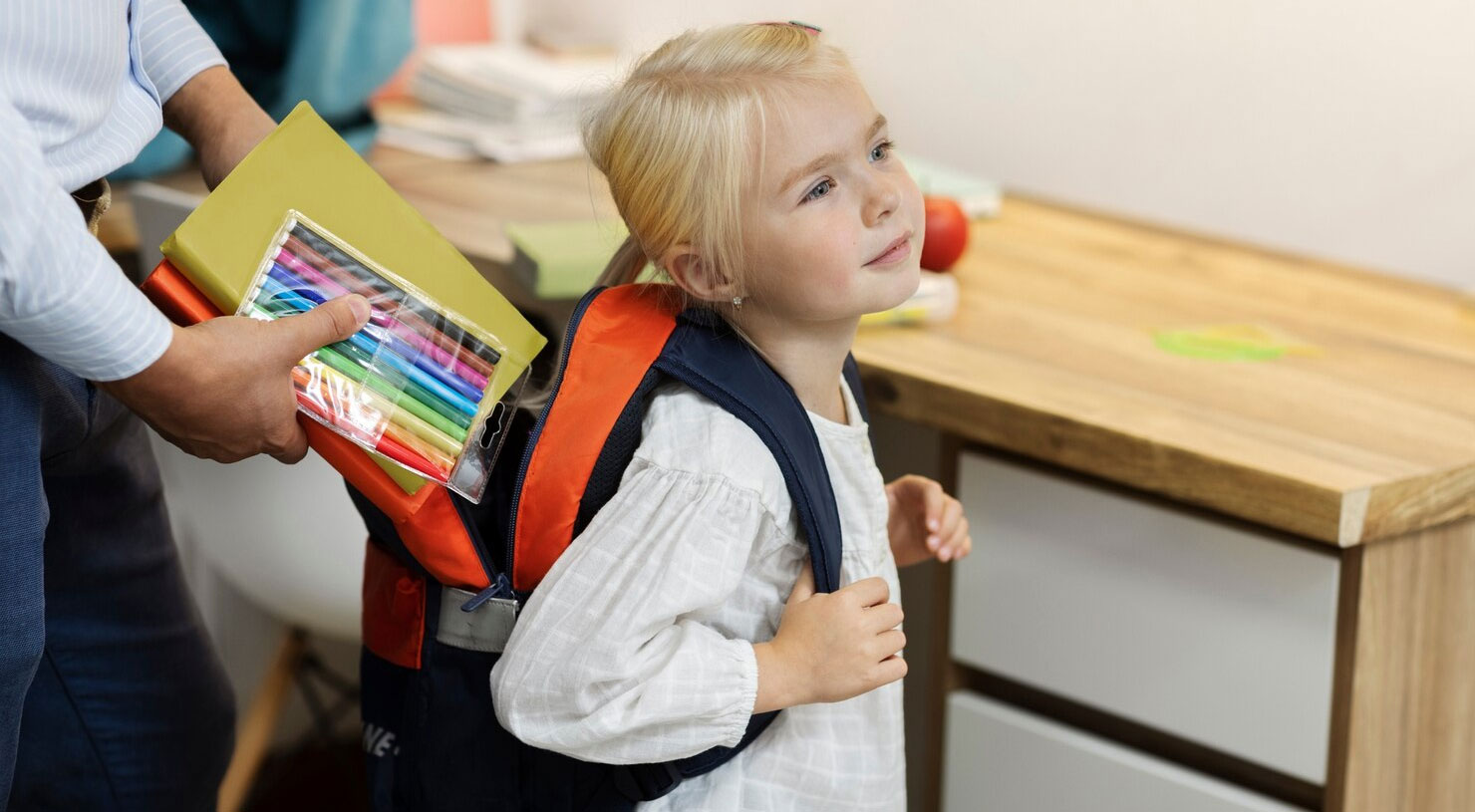
Clothing: Clothes, shoes, and school bags suitable for school. It is important to choose comfortable, easy-to-wear clothing so that children can manage them independently.
Products: Additional furniture for the child’s room, such as their first desk and extra storage space for books, school supplies, and toys. Around the ages of 3–4, a car seat change may also be needed, depending on the height range supported by the current seat.
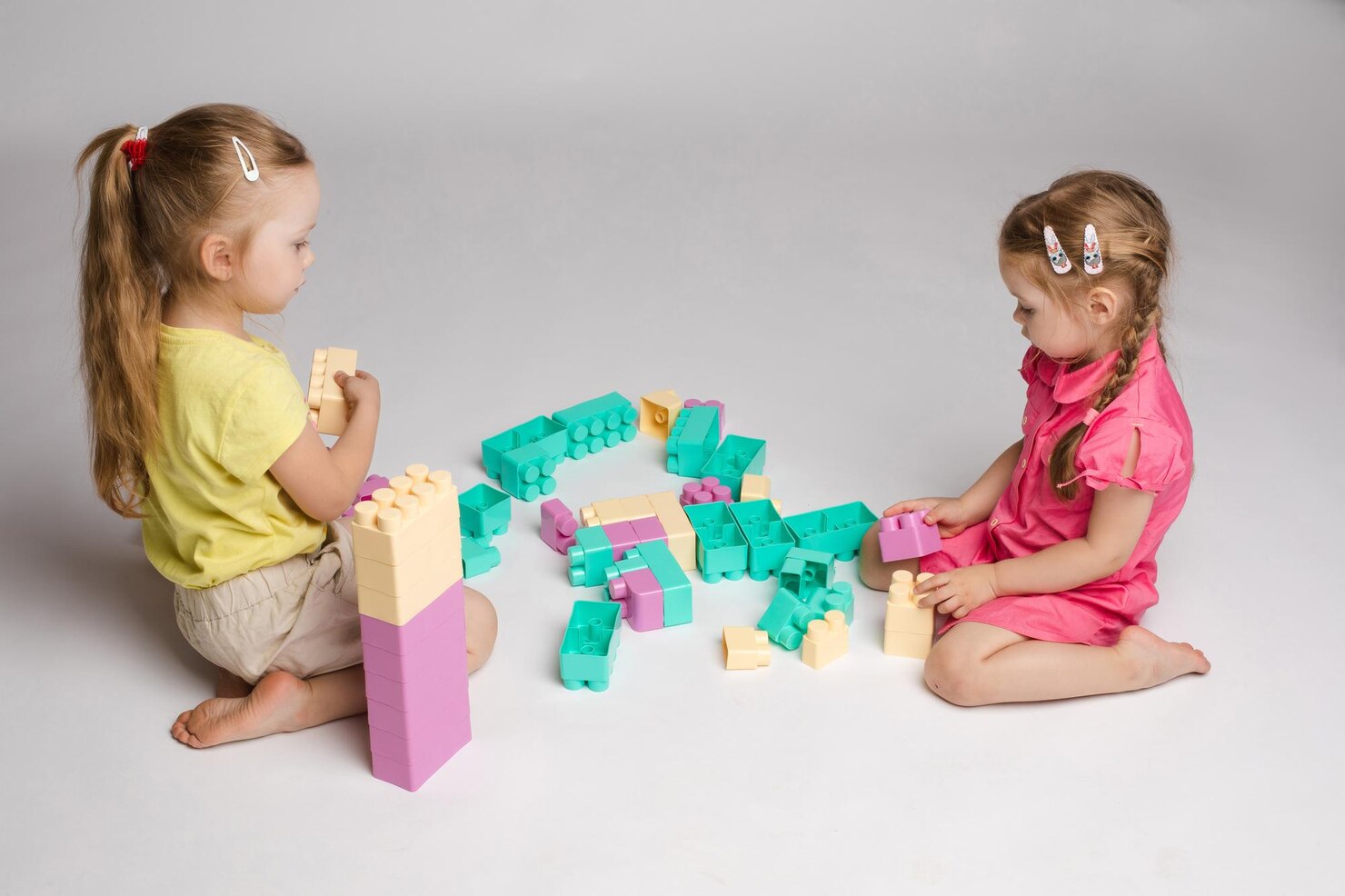
Toys: More toys for outdoor play, construction toys, and imaginative play e.g. dolls’ houses, farms and garages. Encouraging imaginative play is important, as it helps children better understand the world and revisit what they have learned during the day through play. It is also beneficial to encourage children to play independently for short periods, as this supports concentration and strengthens their sense of independence. Dressing up clothes and accessories, pedal bikes, footballs, pencils and felt pens, paints and books are also to be encouraged.